Reverse Dunk NYT: The Ultimate Guide to Solving This Puzzle Fast
Finding the answer to the reverse dunk NYT clue can feel like a massive win for any puzzle lover. Many people wake up and grab their coffee to start the New York Times crossword. It is a daily tradition that tests your brain and your patience. Sometimes, a sports clue like this one can really trip you up if you are not a basketball fan. However, you do not need to be an athlete to solve this fun riddle. This guide will help you understand the term and how it fits into the famous puzzle world.
The reverse dunk NYT term is a perfect example of how the editors like to mix things up. They take a common sports move and turn it into a brain teaser. When you see these words, your mind might go straight to the hoop. You think of tall players jumping high and slamming the ball down. But in the world of the New York Times, the answer is often simpler than you think. It is all about how many letters you need and what the surrounding words are.
What Exactly Is a Reverse Dunk?
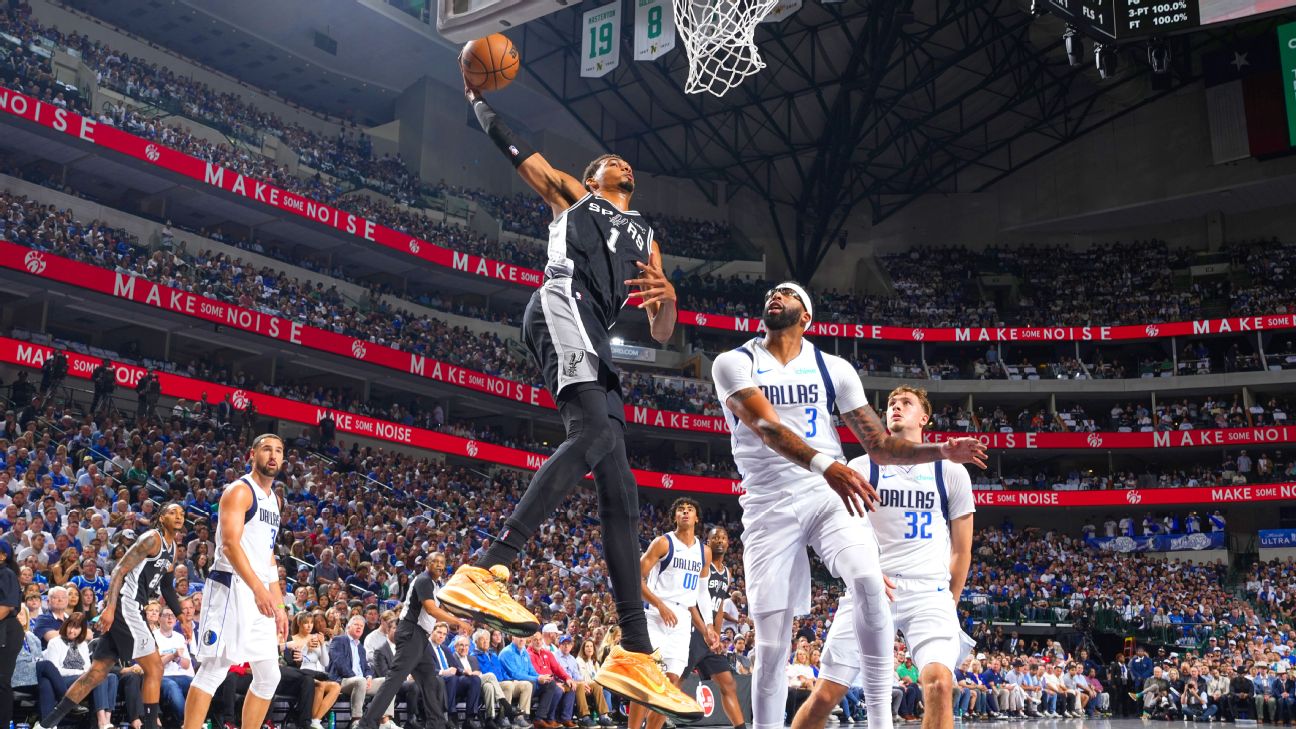
A reverse dunk is one of the most exciting plays in the game of basketball. The player jumps with their back to the basket and slams the ball through the hoop over their head. It takes a lot of skill, timing, and power to pull this off during a real game. Fans go crazy when they see a star player do this on the court. In the context of the reverse dunk NYT clue, the puzzle is looking for a way to describe this action. Usually, the answer is a short and punchy word that fits into a small grid.
When you are looking for the reverse dunk NYT answer, think about the synonyms for a dunk. Words like “slam,” “jam,” or “stuff” often pop up in these crosswords. The “reverse” part of the clue is there to add a bit of flavor and difficulty. It tells you exactly what kind of move is happening so you can narrow down your choices. The NYT editors love to use specific terminology to keep solvers on their toes. If you can picture the player spinning in the air, you are halfway to the solution.
Why the NYT Crossword Loves Sports Clues
Sports clues are a staple of the New York Times crossword experience. They provide a nice break from historical dates or fancy Latin phrases. The reverse dunk NYT clue is a fan favorite because it feels modern and energetic. The editors know that many solvers follow the NBA or college basketball. By including these terms, they make the puzzle feel relevant to a wide audience. It also allows them to use letters that might be hard to fit elsewhere.
The reverse dunk NYT hint also shows how the puzzle rewards diverse knowledge. You might be an expert in literature but struggle with the sports page. Or, you might know every basketball stat but forget famous poets. The best solvers are people who know a little bit about everything. This particular clue challenges you to think about action and movement. It is not just about a static object; it is about a dynamic play on the court.
How to Solve the Reverse Dunk NYT Clue Fast
If you are stuck on the reverse dunk NYT clue, the best trick is to look at the crossing words. Crosswords are a team effort between the across and down clues. If you have a few letters from the words nearby, the sports answer will become clear. For example, if you see an “A” and an “M,” you might realize the answer is “SLAM.” Never try to solve a clue in total isolation if you can avoid it. Use the letters you already know to build a bridge to the right answer.
Another way to crack the reverse dunk NYT code is to think about the word length. Most of the time, these answers are three or four letters long. Short words are the bread and butter of the crossword grid. They help connect the longer, more complex themes of the day. If the clue asks for a “Reverse dunk, e.g.,” they might be looking for a broader category. If it is a specific move, look for the most common slang used by announcers. Practice makes perfect when it comes to these types of hints.
The History of Basketball Terms in Puzzles
Basketball and puzzles have a long history together in American culture. Terms like the reverse dunk NYT have been appearing in grids for many decades. As the sport grew in popularity, the language of the game entered our daily speech. Words like “pivot,” “swish,” and “rim” are now common crossword fill. This evolution shows how language changes over time to include the things we love. The New York Times is great at capturing the spirit of the era through its word choices.
When we look back, the reverse dunk NYT clues were not always so common. In the early days, puzzles focused more on classical music and old geography. But as the “Helpful Content” era of puzzles began, themes became more relatable. People wanted to see their hobbies reflected in the games they played. This shift made crosswords more inclusive for younger generations and sports fans. Now, you can find clues about video games, movies, and of course, cool basketball moves.
Why Simple Vocabulary Wins in NYT Puzzles
You might think that a prestigious puzzle needs big, scary words. But the truth is that the reverse dunk NYT clue relies on simple, punchy language. The goal of a good puzzle is to be clever, not impossible to read. Using words that a fifth-grader can understand makes the game more fun for everyone. It is about the “aha!” moment when you realize the answer was right in front of you. A “slam” is a simple word, but finding it in a tricky grid is a great feeling.
The reverse dunk NYT example proves that clarity is king in the world of puzzles. When a clue is written well, it guides you toward the answer without giving it away. It uses familiar concepts in a way that feels fresh and exciting. If the clue was too hard, people would just give up and do something else. By keeping the language easy to digest, the NYT ensures that their puzzles are accessible. This approach follows the best guidelines for creating helpful and engaging content.
Common Variations of Basketball Clues
The reverse dunk NYT is just one way the editors ask about basketball. You might also see clues like “Hoops highlight” or “Court classic.” Sometimes they might even use a player’s name to lead you to the word “Dunk.” Understanding these variations is key to becoming a master solver. It is like learning a new language where one concept can be described in many ways. The “reverse” aspect is a specific flavor, but the core idea is always about the game.
Sometimes, the reverse dunk NYT clue might appear in the Connections game instead of the crossword. In Connections, you have to find four words that share a common link. You might see “Reverse,” “Tomahawk,” “Windmill,” and “360.” All of these are types of dunks! This requires a different kind of thinking than the crossword. You have to look at the big picture and see how words relate to each other. Whether it is a grid or a group of tiles, the basketball theme is a strong one.
Tips for Mastering Your Daily NYT Routine
To get better at finding the reverse dunk NYT answer, you should play every day. Consistency is the most important factor in improving your skills. Start with the Monday puzzle, which is usually the easiest of the week. By the time you get to Saturday, the clues are much more difficult and “punny.” If you practice on the easy ones, you will build the muscle memory needed for the hard ones. You will start to see the same words appearing over and over again.
Another great tip is to read the NYT Wordplay blog after you finish. They explain the logic behind clues like the reverse dunk NYT. It is like having a coach who explains the plays after the game is over. You can learn why a certain word was used and what the editor was thinking. This insight is incredibly valuable for your future games. It turns a simple hobby into a learning experience that keeps your mind sharp. You can also join online communities where people discuss the daily puzzles.
The Joy of Solving Sports Riddles
There is a special kind of joy that comes from solving a reverse dunk NYT riddle. It is the moment where your sports knowledge and your word skills meet perfectly. You might feel a little rush of adrenaline when the boxes turn gold or stay filled. It is a small victory, but it starts your day on a high note. These puzzles are a great way to escape the stress of the real world for a few minutes.
When you finally land the reverse dunk NYT answer, take a second to appreciate the cleverness. The person who wrote the clue wanted to challenge you in a fair way. They wanted to make you smile when you realized what they were doing. This connection between the creator and the solver is what makes the NYT puzzles so special. It is a human experience that AI or computers cannot fully replicate. It is about wit, culture, and a shared love for the game of basketball.
How Word Games Improve Your Mental Health
Playing games like the reverse dunk NYT challenge is actually very good for your brain. It helps improve your memory and your ability to solve problems in real life. When you hunt for a specific word, you are training your mind to look at things from different angles. This flexibility is a great skill to have in any job or situation.
The reverse dunk NYT clue also provides a sense of structure to your day. Having a routine like a morning puzzle can reduce anxiety and provide a sense of control. In a world that often feels chaotic, the crossword grid is neat and organized. There is always a right answer, and you can always find it if you look hard enough. This feeling of completion is very satisfying for most people.
Final Thoughts on the NYT Puzzle Experience
As we have seen, the reverse dunk NYT clue is more than just a few letters in a box. It is a gateway to a world of sports, history, and clever thinking. Whether you are a basketball pro or someone who has never touched a ball, you can enjoy these puzzles. The key is to stay curious and keep trying new things. Don’t let a hard clue ruin your mood; instead, let it be a chance to learn something new. The New York Times provides a wonderful service by keeping our minds active and engaged.
In the end, solving the reverse dunk NYT is about having a good time. Life can be serious, but your morning puzzle should be a delight. Use the tips we shared, look at the crossing words, and don’t forget to breathe. You have all the tools you need to become a crossword legend in your own home. The more you play, the more you will fall in love with the art of the solve. Keep your eyes on the hoop and your pen ready for the next challenge.