MataRecycler: How Does Smart AI Recycling Really Work?
Overflowing bins. Rejected recycling loads. Materials that should have been reused instead end up buried in a landfill because they were sorted the wrong way. It’s a quiet, expensive problem that keeps growing every year. MataRecycler was built to fix exactly that, using AI-driven sorting instead of guesswork so more waste actually gets recycled.
What Is MataRecycler?
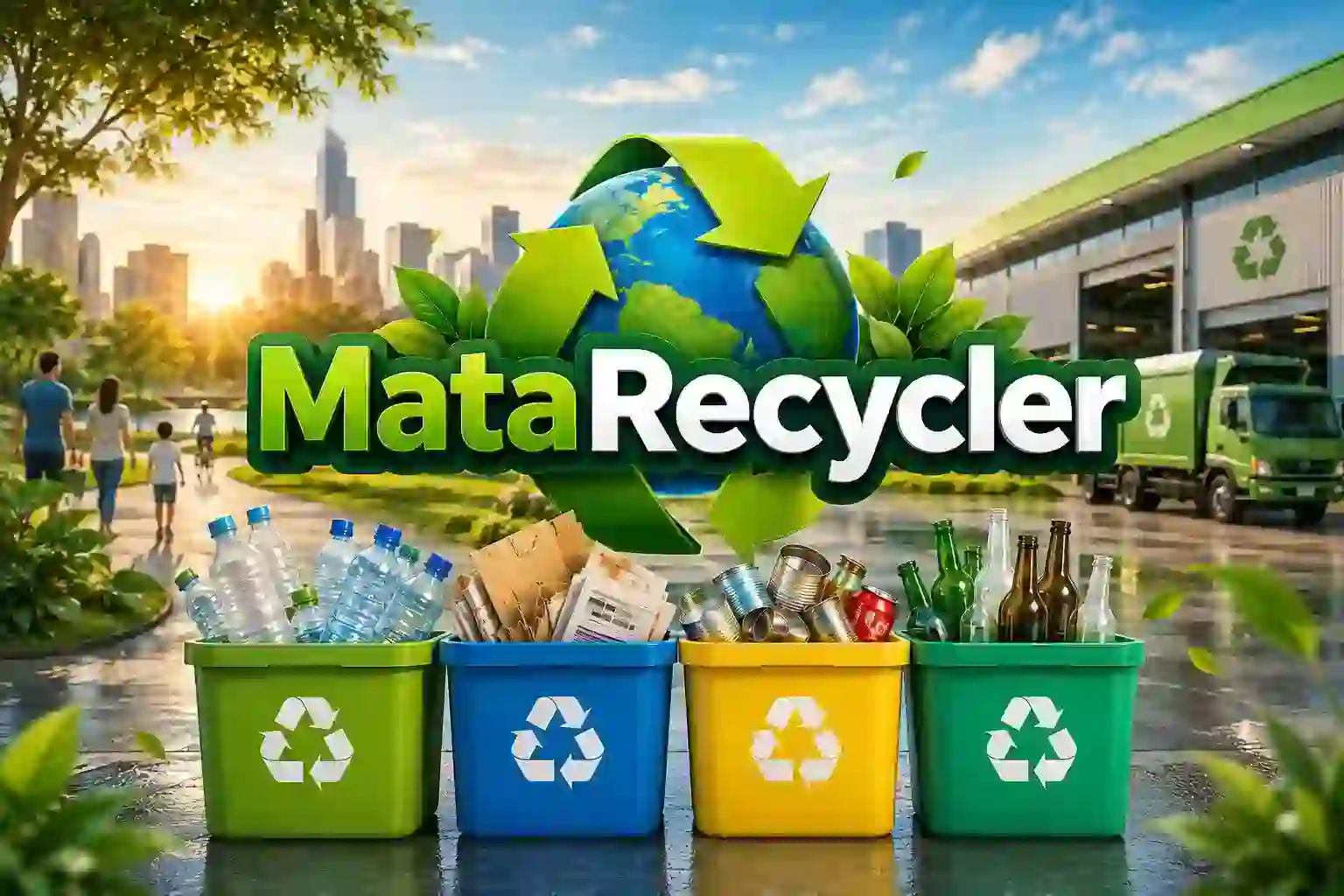
MataRecycler is a smart, AI-powered recycling system built to sort waste faster and more accurately than manual methods allow. It combines artificial intelligence, computer vision, and connected sensors to identify materials such as plastic, metal, glass, and paper the moment they enter the system.
Instead of relying on a person to guess whether an item belongs in the recycling bin, this technology scans it, classifies it, and routes it to the correct stream automatically. That one shift, from manual guessing to automated identification, is what separates it from older recycling setups.
The platform is used across three main settings: homes, businesses, and city-wide waste programs. In each case, the goal stays the same: recover more usable material and send less to the landfill.
How the System Works, Step by Step
Understanding the process makes it easier to see why MataRecycler performs better than traditional sorting. The sequence is simple and repeatable:
- An item is placed into a smart bin or drop-off point.
- Cameras and sensors capture the item’s shape, color, and texture in real time.
- The AI model compares this data against thousands of trained material patterns.
- The system classifies the item as plastic, metal, paper, glass, or electronic waste.
- The item is routed to the correct collection stream automatically.
- Data from the scan is logged and sent to a cloud dashboard for tracking.
This entire sequence happens in seconds. No item sits waiting for a human decision, and none gets sent to the wrong stream because someone was unsure of the rules.
Key Features That Set It Apart
MataRecycler isn’t a single tool, it’s a connected set of features that work together. Here’s what defines the system:
| Feature | What It Does | Why It Matters |
| AI Material Recognition | Identifies plastic, metal, paper, glass, and e-waste using computer vision | Removes guesswork from sorting decisions |
| Smart Bin Sensors | Tracks fill levels and material type inside each bin | Prevents overflow and missed pickups |
| Cloud Dashboard | Shows real-time recycling data to managers and city officials | Turns raw waste data into usable reports |
| Contamination Detection | Flags mixed or incorrectly sorted loads before processing | Protects the value of recovered material |
| Route Optimization | Adjusts collection schedules based on bin activity | Cuts fuel use and unnecessary pickups |
| Mobile App Guidance | Helps users know exactly where an item belongs | Builds better recycling habits over time |
Each feature solves a specific weak point in traditional recycling, and together they explain why this approach performs so differently from a standard bin-and-truck setup.
MataRecycler vs. Traditional Recycling
The gap between AI-assisted sorting and manual sorting is larger than most people expect. Here’s a side-by-side breakdown:
| Factor | Traditional Recycling | MataRecycler |
| Sorting Accuracy | 85% to 90% on a good shift | 95% to 98% |
| Contamination Rate | 17% to 25% | Significantly reduced through real-time detection |
| Speed | Limited by human sorting capacity | Processes items in seconds |
| Data Visibility | Little to no real-time reporting | Live dashboard tracking |
| Consistency | Varies by shift, fatigue, and training | Stays consistent around the clock |
| Scalability | Requires more staff for more volume | Scales through added sensors and units |
Higher sorting accuracy means fewer loads get rejected, and fewer rejected loads means more material actually gets a second life instead of ending up buried.
Benefits for Households
Families often want to recycle correctly but get stuck on unclear rules. This system removes that confusion.
- Instant guidance tells users exactly where an item belongs.
- Fewer contaminated loads mean neighborhood recycling actually gets accepted.
- Families can track their own recycling impact through the app.
- Smart bins reduce overflow in shared apartment or community setups.
Over time, this kind of consistent feedback builds better habits without anyone needing to memorize a long list of rules.
How Businesses Benefit
Waste is a real cost center for most companies, and smart sorting turns it into something measurable and manageable.
- Sorted materials can be resold instead of paying full landfill tipping fees.
- Real-time reports simplify ESG and sustainability compliance.
- Lower contamination results in fewer loads being rejected and cheaper disposal.
- Facilities using AI-assisted sorting have reported landfill cost cuts of 40% to 60%.
For offices, retail chains, and manufacturing sites, this technology turns waste management from a fixed expense into a system that can actually save money.
Impact on Cities and Municipalities
City waste programs deal with huge volume and inconsistent public participation. MataRecycler addresses both at once.
- Sensor data shows which neighborhoods need more collection support.
- Optimized routes cut fuel spending and truck wear.
- Higher recovery rates reduce pressure on aging landfill sites.
- Public dashboards build trust by showing measurable recycling progress.
Cities running pilot programs with AI-assisted sorting have reported recycling volume increases of up to 30% to 40% within the first year.
The AI and IoT Technology Behind It
Three technologies work together to make this system function: artificial intelligence, computer vision, and IoT sensors.
Computer vision scans each item’s shape, color, and surface texture, then compares it against a trained material database. This is how the system tells a plastic bottle apart from a glass jar in a fraction of a second.
Machine learning allows accuracy to keep improving. Every scan adds to the training data, so results get sharper the longer the system runs.
IoT sensors inside each bin track fill levels and material composition, then send that data to a cloud platform. Facility managers and city officials can view this information from any device, at any time.
Environmental Impact of MataRecycler
The point of better sorting isn’t just efficiency, it’s measurable environmental benefit. A few figures put this in perspective:
- Recycling aluminum uses about 95% less energy than producing it from raw ore, according to the EPA.
- Every ton of recycled paper saves roughly 17 trees and thousands of gallons of water.
- Recycling a ton of plastic saves energy equal to well over a thousand gallons of gasoline.
- The World Bank reports that only about 13.5% of global waste is currently recycled, leaving enormous room for improvement.
By improving sorting accuracy, this system helps recover more of the material that would otherwise be wasted through contamination or misclassification, which directly supports these kinds of savings at scale.
Does MataRecycler Actually Reduce Contamination?
Yes, and this is one of its clearest benefits. Traditional kerbside recycling programs report contamination rates between 17% and 25%, largely because people mix non-recyclable items with recyclables. Real-time detection flags incorrect items before they contaminate an entire load, which protects the value of the material and reduces the chance of a rejected shipment.
Is It Worth the Investment for Small Businesses?
For many small businesses, yes, though the payoff depends on waste volume. Companies that generate consistent recyclable material, such as retail stores, cafes, and offices, tend to see the fastest return through lower disposal fees and resale income from sorted material. Businesses with very low waste volume may see a smaller short-term benefit, but improved sustainability reporting still adds long-term value.
Challenges and Limitations to Know
No system is without trade-offs, and it’s worth being upfront about the current limitations.
- Initial setup and hardware costs can be significant for smaller operations.
- Staff and users need a short adjustment period to learn the new workflow.
- Rural or low-infrastructure areas may face connectivity challenges for cloud reporting.
- Like any AI system, accuracy depends on ongoing training data quality.
These challenges are manageable, but they matter for anyone budgeting a rollout or setting realistic expectations for year one.
Getting Started With Smart Recycling
Adopting MataRecycler doesn’t have to happen all at once. A phased approach works best for most homes, businesses, and municipalities.
- Start with a single bin or pilot location to test accuracy and workflow.
- Review the first month of dashboard data to spot contamination patterns.
- Expand to additional bins or facilities once staff and users are comfortable.
- Use the reporting data to adjust collection schedules and reduce costs.
This step-by-step rollout limits risk while still delivering measurable results early on.
The Future of AI-Driven Recycling
Smart recycling is only getting more capable. Anticipate that this type of technology will develop into more precise material monitoring using cutting-edge techniques like blockchain verification, predictive waste forecasting, and closer connectivity with municipal infrastructure. As global waste volume continues climbing, systems built around accurate, automated sorting will likely become the standard rather than the exception.
Frequently Asked Questions About MataRecycler
What exactly is MataRecycler?
It’s an AI-powered recycling system that uses computer vision and sensors to identify and sort waste materials automatically, reducing contamination and improving recovery rates.
How accurate is MataRecycler compared to manual sorting?
On a good shift, it usually obtains 95% to 98% sorting accuracy, whereas human sorters often reach 85% to 90%.
Can MataRecycler be used in a regular household?
Yes, it works in homes through smart bins and a companion app that guides users on correct disposal for each item.
Does it work for e-waste and electronics?
Yes, the system is designed to detect and sort electronic waste alongside plastic, metal, paper, and glass.
How much can a business save by using it?
Businesses using AI-assisted sorting systems like this have reported cutting landfill disposal costs by 40% to 60%, depending on waste volume.
Is MataRecycler difficult to set up?
Setup involves installing smart bins or sensor units and a short onboarding period for staff or residents, but most operations report a smooth transition within the first few weeks.
Final Thoughts
Recycling only works when sorting is accurate, and accuracy is exactly where most traditional systems fall short. MataRecycler closes that gap with AI-driven identification, real-time data, and a workflow that scales from a single household bin to an entire city program. If you’re managing waste for a home, a business, or a municipality, the next step is simple: start with a pilot bin, track the data for thirty days, and see the difference accurate sorting makes for yourself.
Sources:
- U.S. Environmental Protection Agency (EPA) — Recycling and waste statistics
- World Bank — What a Waste 2.0 global waste report
- United Nations Environment Programme (UNEP) — Municipal solid waste projections
- Market.us — AI recycling technology market analysis